
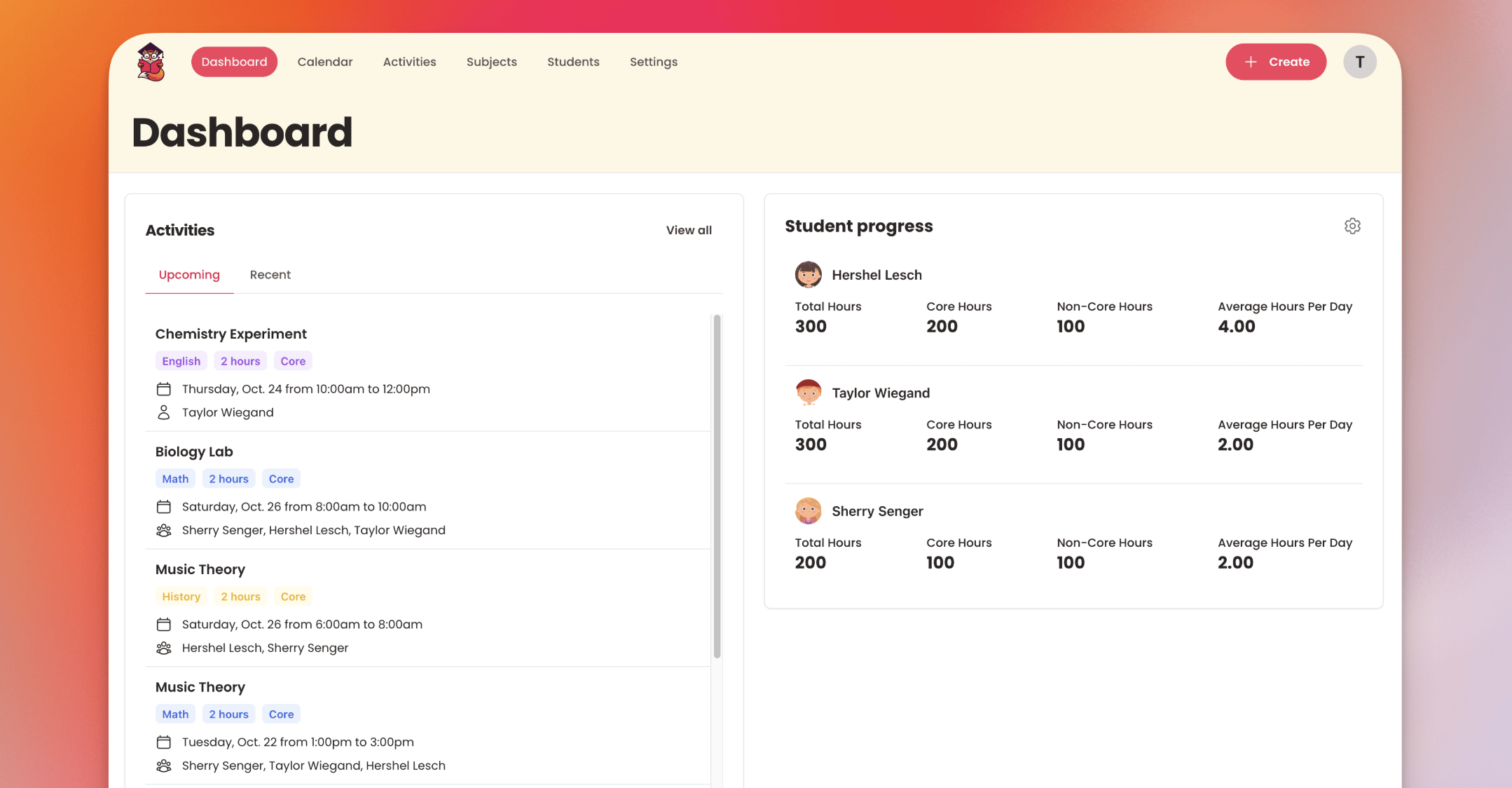
Homeschooling gives families incredible freedom—but that freedom also comes with responsibility. Whether your state requires detailed reporting or simply asks you to track attendance, keeping good homeschool records makes life easier. It protects you legally, streamlines progress tracking, and sets your child up for success if they transfer schools or apply to college.
Know What’s Required in Your State
Homeschool laws vary widely across the U.S. Before building your system, check your state’s Department of Education website or a trusted homeschool advocacy group. Some states, like Missouri, require attendance logs and samples of work. Others may ask for lesson plans, evaluation forms, or test results. Understanding the baseline prevents unnecessary stress and wasted effort.
Choose Your Recordkeeping Style
There isn’t one “right” way to keep homeschool records—just the method that works best for your family’s rhythm.
- Paper binders: Simple and tangible. Great for portfolios and samples of student work.
- Digital spreadsheets: Perfect for tracking grades, attendance, and reading lists.
- Homeschool management software: Tools like Homeschool Planet or Trello make lesson planning and progress tracking intuitive and easy to update on the go.
- Photo and video logs: Especially useful for hands-on projects, experiments, or field trips that don’t fit neatly into traditional paperwork.
What to Include in Your Records
Even if your state’s regulations are minimal, consider keeping a few key items:
- Attendance records or yearly calendar
- Curriculum outlines or lesson plans
- Samples of core subject work (math, language arts, science, social studies)
- Reading and book lists
- Grades or progress reports
- Notes on extracurricular activities, volunteer work, or life skills learning
Keeping these consistently not only shows compliance but also captures your child’s growth over time—something that’s rewarding to look back on.
Create a Routine You’ll Actually Follow
The biggest secret: recordkeeping doesn’t have to be overwhelming if you make it part of your routine. Set aside a few minutes each week to jot down academic highlights, attendance, or grades. Once a month, file away work samples or scan them into a cloud folder. Small, regular updates beat one massive end-of-year scramble.
Keep It Secure but Accessible
Store physical binders in a dedicated space and back up digital records to a secure drive or cloud service. For families who move or share legal custody, digital copies ensure accessibility and prevent loss.
Make It Yours
Homeschool records should serve you—not the other way around. They can be as creative or structured as your family’s learning approach. Some parents create beautiful photo journals or yearly scrapbooks; others keep everything in a minimalist spreadsheet. The important part is consistency and clarity.
Keeping homeschool records doesn’t need to be a chore. With a simple system and a few minutes of upkeep, you’ll have a complete, meaningful record of your child’s education—one that evolves as they do.