
What are the advantages of homeschooling?
Flexible schedule and pace
This is what most families mention first. Homeschooling lets you school when your family is at its best: morning people can start at 6am; night owls can push academics to the afternoon. You can take vacations when flights are cheap, recover from illness without falling behind, and spend three weeks on fractions if that's what your child needs.
The pace flexibility matters even more. A child who grasps math quickly moves ahead instead of waiting on a class that needs more time. A child who struggles with reading gets the time they need without the shame of being "behind."
Customized education
A classroom teacher with 25 students cannot tailor instruction to each child's learning style, interests, or pace. You can. A child who's obsessed with dinosaurs can study biology through paleontology. A kid who hates workbooks can learn through documentaries, hands-on projects, and living books. The curriculum bends to the child rather than the reverse.
More family time and a closer relationship
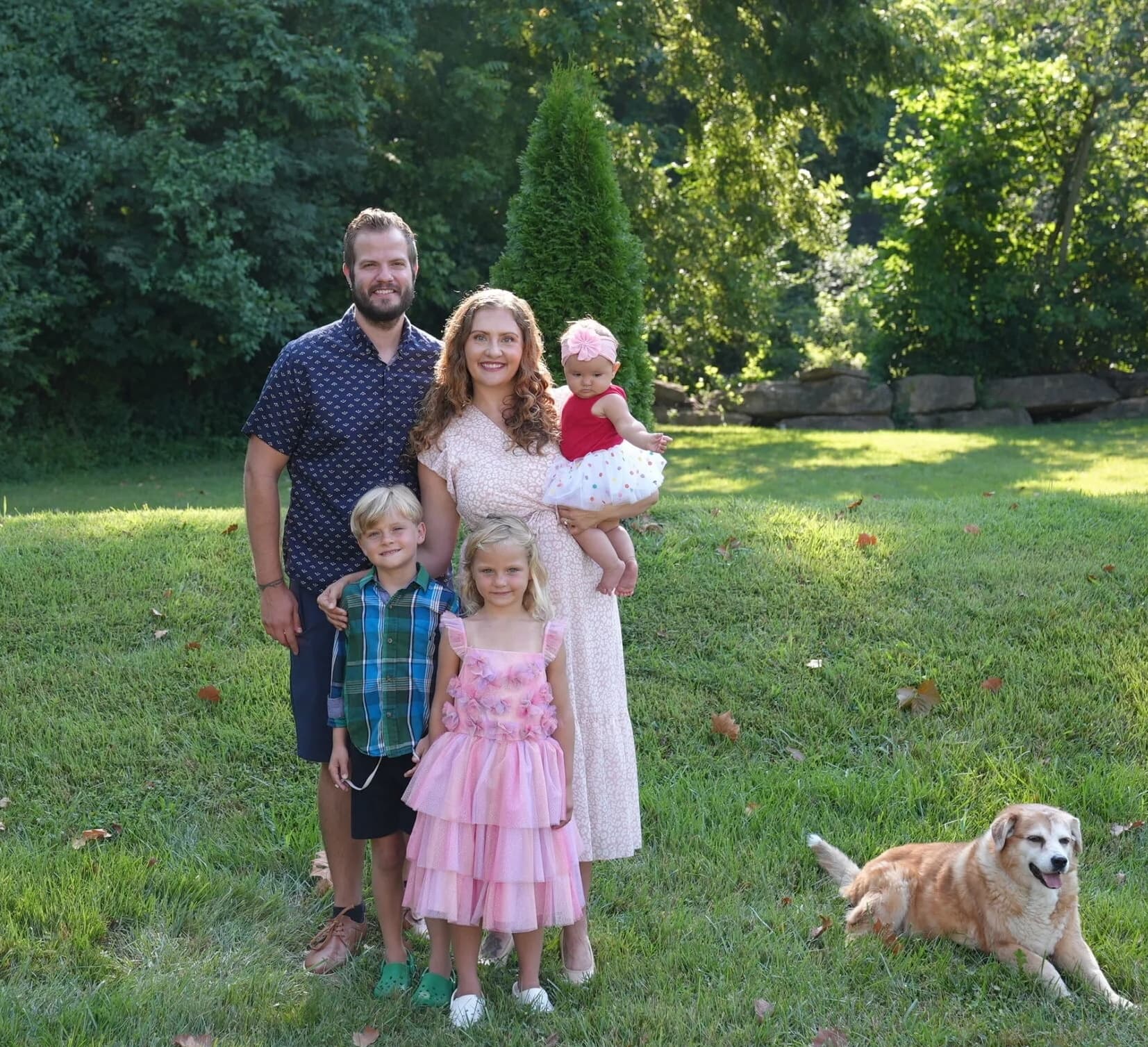
Homeschooled children spend more time with their parents and siblings than their traditionally-schooled peers. For many families, this is the core motivation. The draw is less about academics and more about who their children spend their formative hours with and what values shape them.
Freedom from negative peer dynamics
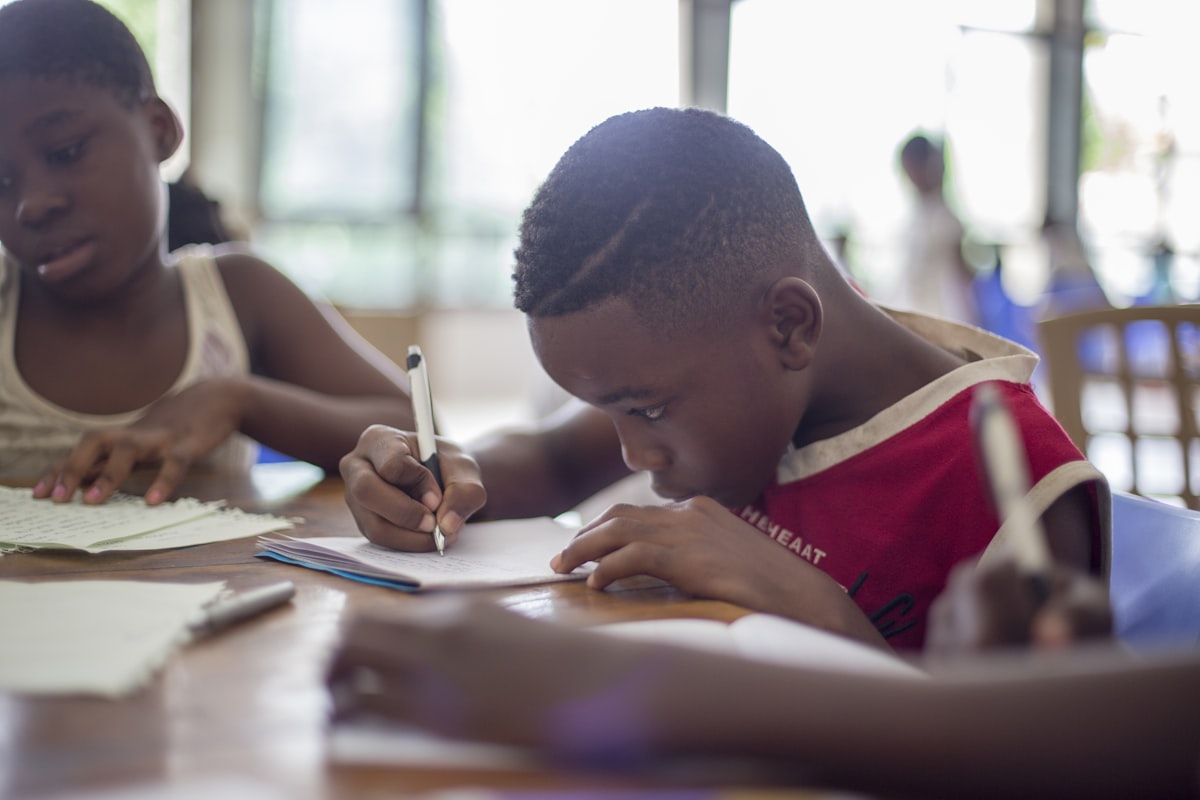
Bullying, social hierarchies, peer pressure to conform, the daily judgment of middle school hallways: homeschooled children avoid or reduce exposure to these dynamics. They can develop their identity without constant pressure to be a certain kind of person.
Values alignment
If your family's values are religious, philosophical, or different from the mainstream, homeschooling lets you build them into education. You teach history from your perspective, pick literature that reflects your beliefs, and choose science curriculum that fits your worldview.
Better outcomes on average
Homeschooled students score above average on standardized tests, typically 15 to 30 percentile points above public school peers. College acceptance rates, graduation rates, and career outcomes for homeschool alumni are strong. This does not mean homeschooling always wins. Quality varies enormously, and a well-run homeschool produces excellent results.
What are the real challenges of homeschooling?

It requires significant parental time
This is the cost no one prepares for. Teaching, planning, sourcing materials, managing records, coordinating activities: homeschooling takes a large share of your week. For most families, one parent reduces or stops outside work. If your family needs two full-time incomes, homeschooling creates real financial tension.
The time demand makes parental burnout a real risk. "Homeschool burnout" is common, and it comes from trying to do too much without enough support.
Socialization requires intentional effort
Homeschooled children don't get the built-in social exposure of a classroom by default. You can fix this. Co-ops, sports teams, religious youth groups, neighborhood kids, and community activities all provide connection, but you have to plan for it. Families who homeschool in isolation, without building community, do sometimes raise socially underdeveloped kids. The problem is solvable, and it won't solve itself.
Subject expertise gaps
Most parents handle elementary and middle school content well. High school is harder. Advanced math, AP-level science, foreign languages, and specialized electives can exceed what a parent feels equipped to teach. Solutions exist: online courses, co-op teaching arrangements, dual enrollment at community colleges, tutors. You still have to find them and pay for them.
No built-in peer comparison
Without standardized reporting, you can struggle to tell whether your child is on track. Some homeschool parents don't spot a learning gap until it turns into a real problem. Periodic assessments, even informal ones, help catch this, but you have to set them up.
Can be isolating for the teaching parent
The parent who teaches, often a mother, can feel sidelined from her career, understimulated, and cut off from other adults. This hits hardest in the early years, when children are young and need constant attention. Co-ops and support groups help, but you have to find them and join them.
Not every child thrives in it
Some children do better with structure they didn't design, peers they didn't choose, and teachers who aren't their parents. Teaching your own child differs from being their friend or their parent, and not every pair handles that shift well. Be honest about whether homeschooling serves your child.
Who does homeschooling work best for?
Homeschooling works best when:
- At least one parent has the time, patience, and flexibility to teach week after week
- The child is motivated enough to work without external school accountability
- The family builds community and social connection on its own
- Parents are willing to supplement their own subject gaps with outside resources
- The family has a clear "why," a positive vision rather than a reaction against school
It's a harder fit when:
- Both parents need to work full-time and can't arrange coverage
- The child prefers the structure and social environment of school
- The parent-child relationship is already strained
- The family is isolated and unwilling to build community
What does the research say?
The research on homeschooling outcomes leans positive, with caveats. Studies show homeschooled students outperform public school peers on standardized tests. But families who choose to homeschool are self-selected, and they tend to be more involved in their children's education than average.
College outcomes for homeschool graduates are strong. A 2010 study found homeschool alumni had higher GPAs and graduation rates than their traditionally-schooled peers. Many colleges and universities recruit homeschool students.
Social outcomes are mixed and harder to measure. Most research finds no evidence of socialization deficits in homeschooled students. Some studies point to higher social maturity. But outcomes vary widely based on how much community the family builds.
"We were honest with ourselves about what we could do well and where we needed help. We're not good at everything, and that's fine. We outsource what we can't teach and focus on what we can."
Homeschool Fox parent, Colorado